


Galit Carbone grew up in Sydney, and three years ago this week she spent the last six hours of her life in a concrete box with a door that would not close.
Picture it. A Saturday morning in Kibbutz Be’eri, the last day of the holiday. Then sirens, and the long, obscene howl of rockets tearing the sky open. Galit, 66, a librarian, a grandmother who loved books and music, does what she has done a hundred times. She goes to the safe room. But the steel door is broken, and it will not shut, and beyond it the morning is filling with gunfire that moves closer house by house, like a fire eating its way down a street.
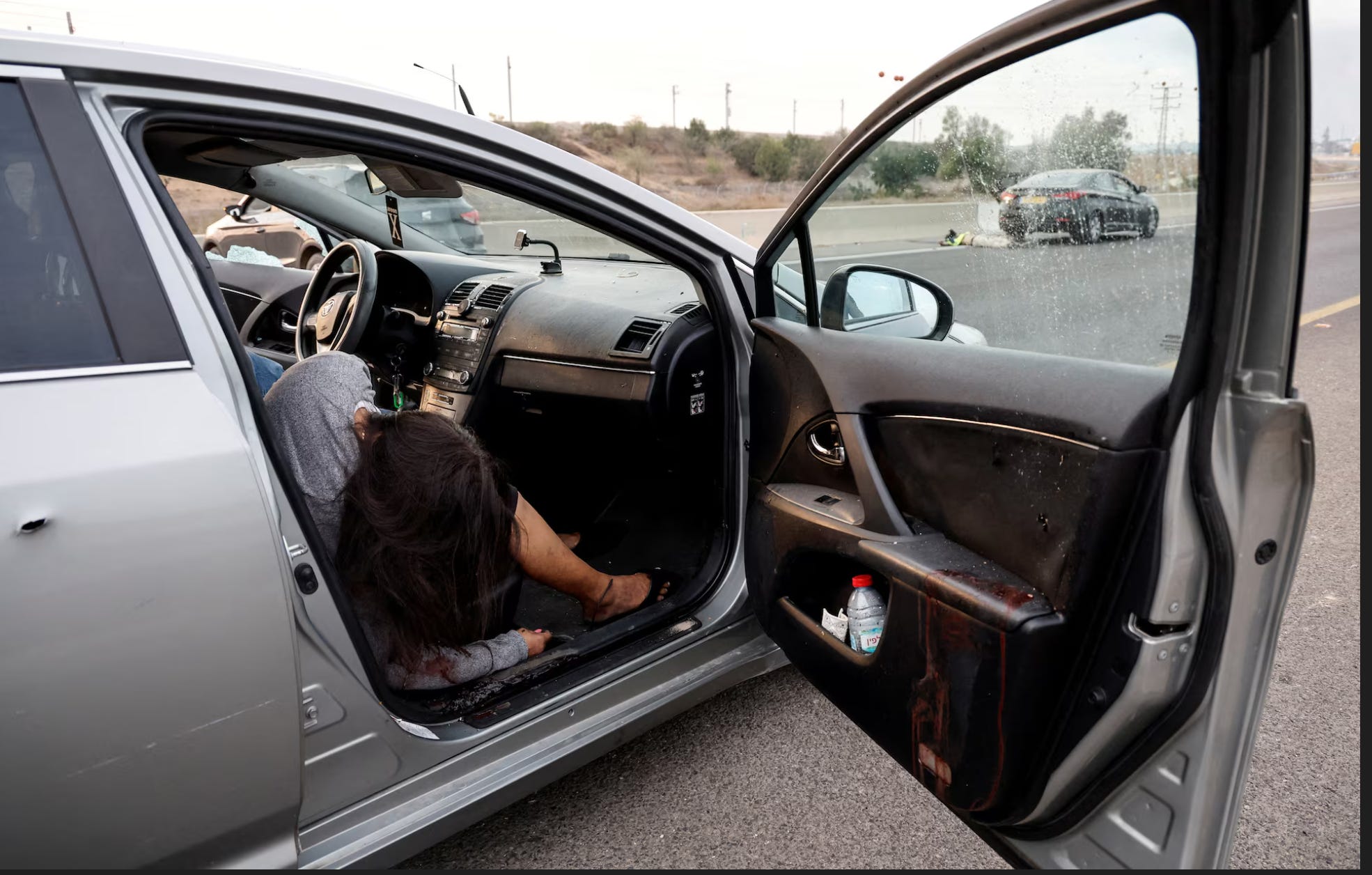
At 12.09 pm she whispers to her brother Danny, hiding in another house: ‘I hear them. They’re here. I can’t remember if I locked the door.’ He tells her to hold the handle. There was nothing to hold.
Then her daughter Nicole. ‘Listen. They’re here for me.’ And the words a mother finds when the monsters are in the hallway: ‘My sunshine, my beautiful daughter, I love you.’ She hangs up herself, so her child will never hear what comes next.
Four shots. Two in the back. A mattress against the wall, soaked with her blood.
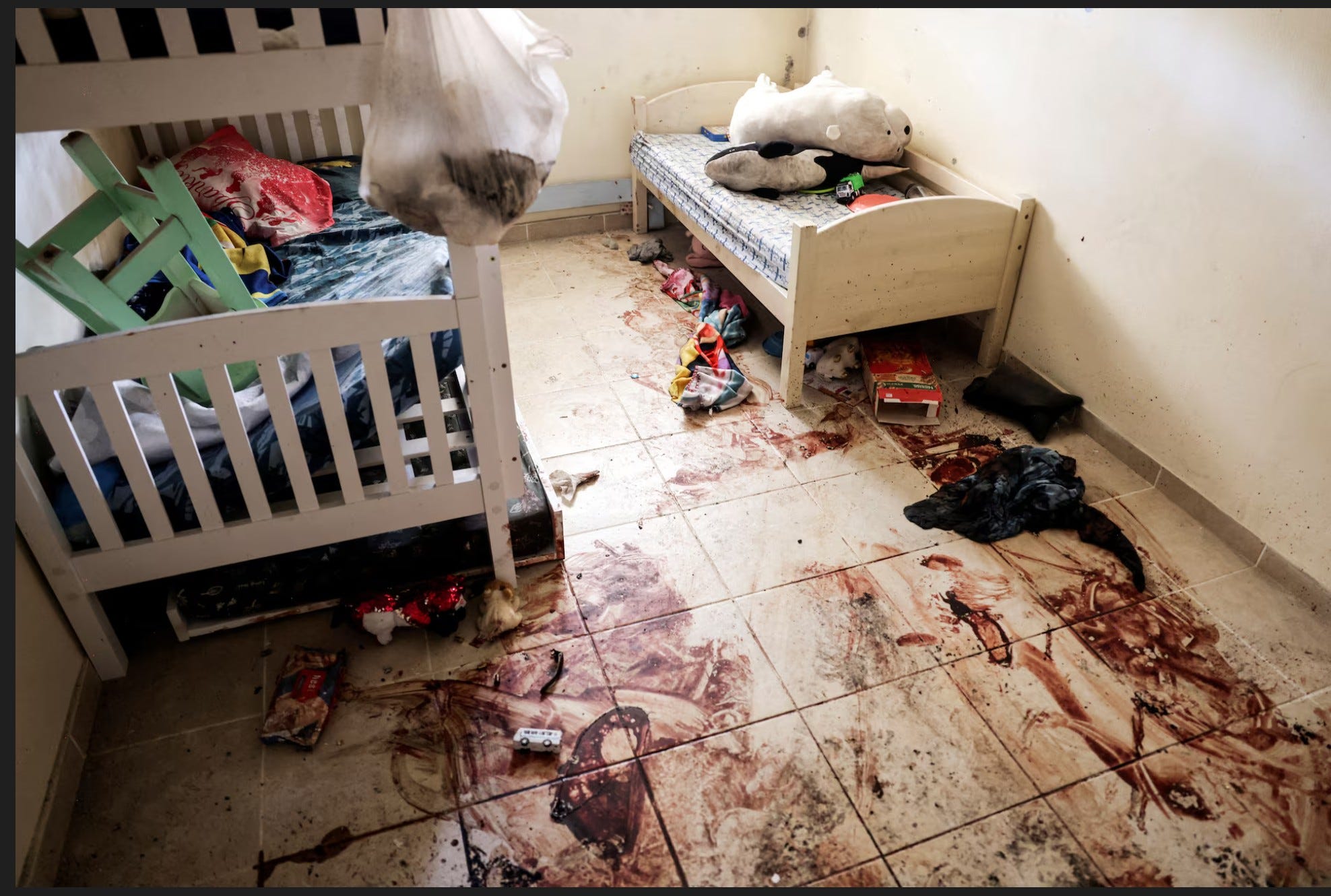
Now multiply that door by twelve hundred. The most Jews murdered in a single day since the Holocaust. A baby shot in her mother’s arms. Two hundred and fifty-one human beings dragged into the dark. Up the road, one of the killers stood over a woman he had just slaughtered, took her phone, and rang his parents. ‘Look how many I killed with my own hands.’ His mother said she wished she could be there with him.
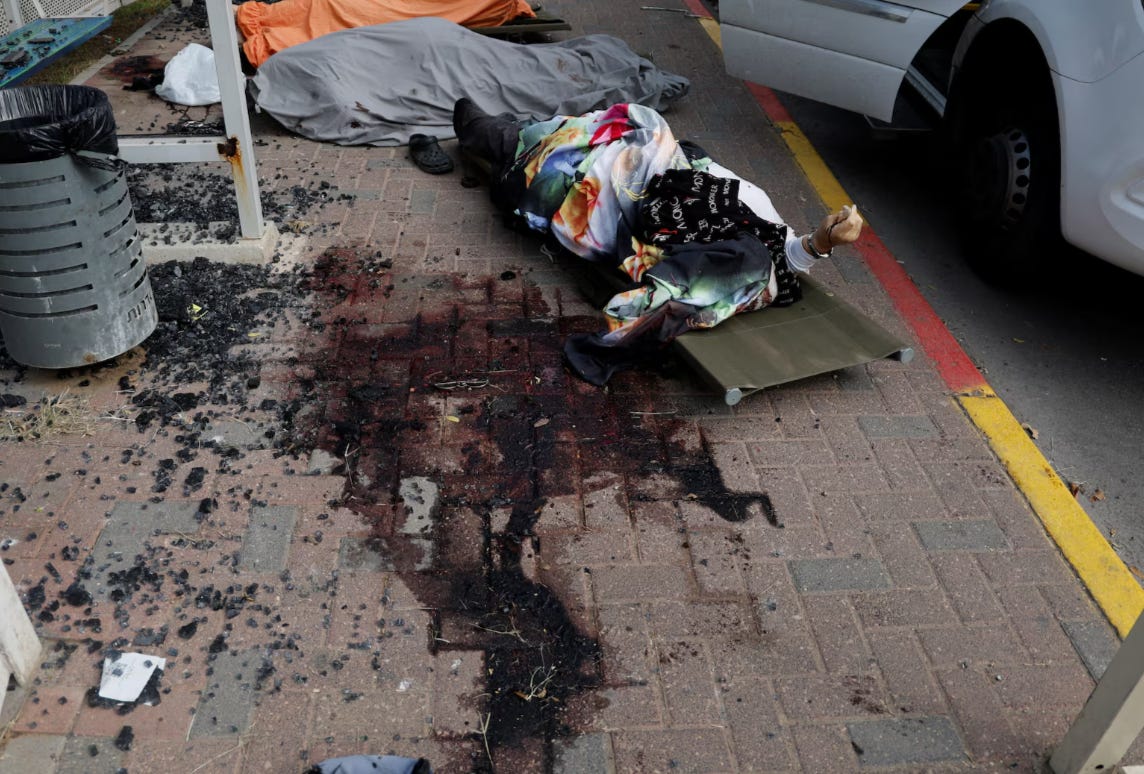
This week marks three years since that Black Sabbath, October 7, 2023. And here is the wound beneath the wound. The world watched that morning, and parts of it turned on the dead. Two nights later, before Galit was in the ground, a crowd on the steps of the Sydney Opera House lit flares and chanted about Jews. A massacre is supposed to earn a people pity. This one earned us a cheer squad.
For Australian Jews there was October 7, and then there was the morning after, when the phones lit up with cousins’ names and a Melbourne woman called Keren sat on her lounge shaking, her wedding album about to become a list of the dead and the kidnapped. We waited for the country to hold us. Instead, we were told to calm down. A Melbourne artist who hung her grief on a gallery wall was harassed for it: ‘I was not allowed to grieve.’ Nine in ten rabbis in Victoria now say their people hide who they are. Fathers tell sons to put a cap over the kippah. We learned to mourn with the blinds down.
That was the fuse. It hissed through two thousand recorded attacks on Australian Jews in a single year. It hissed through the Adass Israel synagogue in Ripponlea, firebombed with two men inside. It hissed until a December night on Bondi Beach, when two gunmen opened fire on a Chanukah party and shot eleven people in twenty-nine seconds, fifteen dead, a ten-year-old girl among them, an 87-year-old Holocaust survivor found lying across his wife. On the second anniversary, while we lit candles, someone in Fitzroy sprayed ‘Glory to Hamas’ on a billboard.
So tell me, Australia. When they cheered on those steps, did you say a word? When the synagogue burned? When the risk at Bondi was marked high and nobody wrote a threat assessment? Where were you?
The Royal Commission reports in December on why nobody came for us either.
Galit could not close her door.
Yours is still open. Close it.